
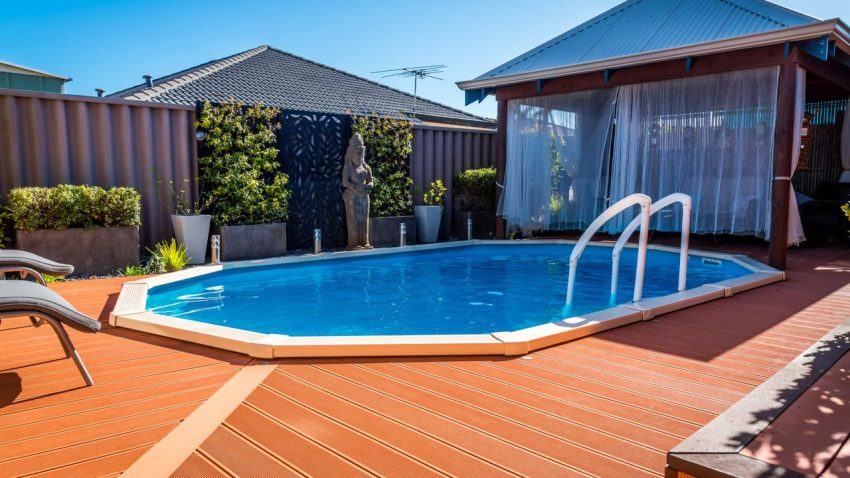
Extending your swimming season into the colder months offers a luxurious escape, but understanding the true cost of running a pool heater in winter is crucial for your budget. The financial implications can vary dramatically based on the type of heating system you utilize, the size of your pool, and the severity of your local climate. This guide breaks down the expenses associated with maintaining comfortable water temperatures during winter and provides actionable strategies to significantly reduce those costs without sacrificing your enjoyment.
Factors Influencing Heating Costs
Several key variables determine the financial impact of keeping your pool warm when temperatures drop. Understanding these factors is the first step toward effective energy management.
Type of Heating System
The primary driver of your heating expenses is the technology you employ. Different systems have vastly different operational costs. Gas heaters, which run on either natural gas or propane, are known for heating water rapidly, making them ideal for occasional winter use. However, they are generally the most expensive to operate continually. Heat pumps, which transfer heat from the surrounding air to the water, are much more energy-efficient but lose effectiveness when air temperatures drop below fifty degrees Fahrenheit. Electric resistance heaters are straightforward but consume significant amounts of electricity, leading to high operational costs in colder climates.
Pool Size and Surface Area
The volume of water in your pool directly correlates with the energy required to heat it. A larger pool demands a higher British Thermal Unit (BTU) output from your heater. Furthermore, the surface area plays a critical role in heat loss. The majority of heat escapes from the surface through evaporation. Therefore, pools with expansive surface areas will inherently experience more heat loss and require more energy to maintain a consistent temperature, regardless of the heating method used.
Desired Temperature and Climate
The temperature you wish to maintain significantly affects your energy bill. The standard recommendation for recreational swimming is between seventy-eight and eighty-two degrees Fahrenheit. For every degree you raise the temperature above the ambient air temperature, your energy costs increase. The difference between the air temperature and your target water temperature is known as the temperature lift. In regions with harsh winters, achieving a comfortable lift requires substantial energy, making heating significantly more expensive than in milder climates.
Estimating the Monthly Expenses
While precise costs depend on the variables discussed, providing average estimates helps in budgeting. These figures assume a moderately sized pool and typical winter usage patterns.
Gas Heater Expenses
Gas heaters offer rapid heating but come with higher monthly bills. If you are using natural gas, you might expect to spend anywhere from two hundred to over five hundred dollars per month during the winter, depending on local gas rates and usage frequency. Propane heaters are typically even more expensive to operate, often costing between three hundred and eight hundred dollars monthly. Their speed is beneficial if you only heat the pool for weekend use, but continuous operation is costly.
Heat Pump Expenses
Heat pumps represent a more energy-efficient approach, provided the ambient air temperature remains relatively mild. In areas with moderate winters, operating a heat pump might cost between one hundred and two hundred dollars per month. However, if the air temperature consistently drops below the optimal operating range of the unit, its efficiency plummets, and the cost to maintain the desired water temperature will increase sharply, or the unit may fail to reach the target temperature entirely.
Effective Strategies for Saving Money
Mitigating the cost of running a pool heater in winter involves a combination of smart technology, efficient practices, and consistent maintenance.
Utilize a High-Quality Pool Cover
The single most effective method for reducing heating costs is utilizing a pool cover. Because evaporation is the primary source of heat loss, a cover acts as a physical barrier, trapping the heat in the water. Solar covers, in particular, not only prevent heat loss but also harness energy from the sun to supplement your heating system. Consistently using a cover when the pool is not in active use can reduce heating costs by fifty to seventy percent.
Optimize Your Heating Schedule
Continuous heating is often unnecessary and highly inefficient. Consider your actual usage patterns. If you only swim on weekends, use a gas heater to warm the water quickly just before you plan to use it, rather than keeping it constantly warm all week. Additionally, investing in a timer or a smart control system allows you to schedule heating cycles during off-peak energy hours, taking advantage of lower utility rates.
Protect Your Pool from the Wind
Wind significantly accelerates evaporation and heat loss. By erecting windbreaks around your pool area, you can create a microclimate that retains heat more effectively. Fences, strategically planted dense shrubs, or dedicated privacy screens can all serve as effective barriers against chilling winds. Reducing wind exposure across the surface of the water directly decreases the workload on your heating system.
Maintain Routine Equipment Care
An efficiently running system requires less energy. Regular maintenance of your heater, pump, and filtration system ensures they operate at peak performance. This includes cleaning or replacing filters, checking for scale buildup in the heater, and ensuring all mechanical components are functioning correctly. Efficient water circulation is also vital. In addition to a well-maintained main pump, using acordless robotic pool cleaner helps distribute warm water evenly throughout the pool, preventing cold spots and improving overall heating efficiency without adding to the primary circulation system’s workload.
Conclusion
Enjoying a warm swim during the winter months does not have to result in exorbitant utility bills. By understanding the factors that drive the cost of running a pool heater in winter, such as the type of system, pool size, and local climate, you can make informed decisions. Implementing practical strategies like using a durable cover, optimizing heating schedules, creating windbreaks, and maintaining your equipment will significantly lower your expenses, allowing you to maximize your investment and extend your swimming season economically.