
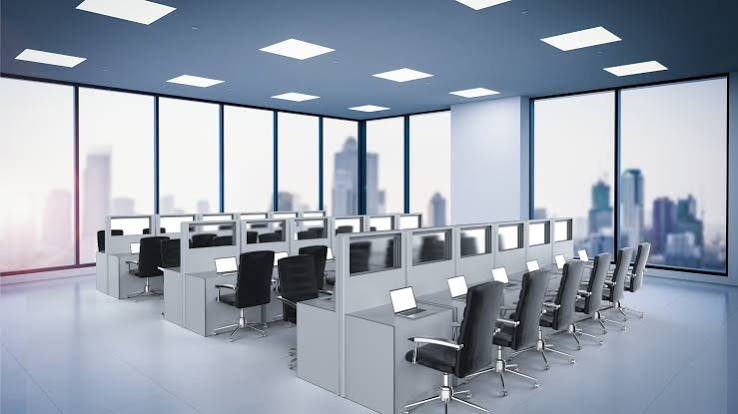
Modern workplaces are evolving to meet the changing needs of employees and businesses. Companies are looking for practical ways to create comfortable, organized, and productive environments without wasting valuable office space. Whether a business operates from a corporate headquarters, a shared office, or a small commercial workspace, the right furniture layout can make a significant difference.
One effective solution is to create dedicated work areas that balance privacy, collaboration, and functionality. Office cubicles provide employees with defined workspaces while allowing businesses to make better use of their available floor space.
Why Office Layout Matters in Modern Businesses
An office layout influences how employees communicate, concentrate, and complete their daily tasks. An overcrowded workspace can cause distractions, while an unorganized floor plan may make it difficult for teams to move around comfortably.
A well-planned office environment helps businesses establish clear work zones, improve accessibility, and maintain a professional appearance. When choosing office furniture, companies should consider their team size, workflow, storage requirements, and long-term growth plans.
A thoughtful furniture arrangement can also help businesses accommodate different working styles, from individual tasks that require concentration to collaborative projects that benefit from teamwork.
The Benefits of Dedicated Office Workspaces
Employees often need a balance between open communication and personal working space. Dedicated workstations can provide this balance by creating individual areas within a larger office.
Better Focus and Fewer Distractions
Noise and constant movement can interrupt concentration, particularly for employees who handle detailed administrative work, financial records, customer support, or data management. Properly designed cubicles can help establish visual boundaries and reduce everyday distractions.
Although cubicles do not provide complete soundproofing, suitable partitions and thoughtful placement can create a more focused working environment.
More Efficient Use of Available Space
Office rent and operating costs can represent significant expenses for growing businesses. Efficient furniture planning helps companies use their available floor area more effectively.
Instead of placing individual desks randomly throughout a room, businesses can arrange workstations in organized rows or groups. This approach can improve circulation, create consistent walkways, and make better use of underutilized areas.
The ideal arrangement should still provide sufficient room for chairs, equipment, storage, and comfortable employee movement.
A Professional and Consistent Appearance
Consistent furniture styles can give an office a more organized and professional appearance. Matching workstation finishes, coordinated colors, and practical storage solutions help create a cohesive interior.
This can be particularly valuable for businesses that regularly welcome clients, partners, or prospective employees into their offices.
Choosing the Right Private Office Cubicles
Selecting office cubicles involves more than comparing prices or choosing a particular design. Businesses should evaluate their operational needs and consider how the furniture will perform over time. Exploring options for private office cubicles can help businesses research workstation solutions that align with their office layout, privacy requirements, and functional needs.
Evaluate Privacy Requirements
Different roles require different levels of privacy. Employees who handle confidential documents or conduct frequent calls may benefit from more enclosed work areas, while collaborative teams may prefer lower partitions that support communication.
Before making a purchase, consider the type of work employees perform and how much visual separation they need.
Consider Size and Floor Plan
Measure the available office space before selecting workstations. Account for existing doors, windows, electrical outlets, emergency exits, and shared facilities.
A detailed floor plan can help determine the number of workstations that fit comfortably without creating cramped walkways. Businesses should also consider accessibility requirements and applicable building safety regulations.
Prioritize Durability and Ergonomics
Office furniture is a long-term investment. Strong frames, durable surfaces, stable partitions, and easy-to-maintain materials can help reduce replacement costs.
Ergonomics is equally important. Workstations should accommodate appropriate desk heights, comfortable chairs, monitor positioning, and convenient access to frequently used equipment. These considerations can support a healthier and more comfortable working routine.
Plan for Future Expansion
Businesses change over time. New employees, departmental restructuring, and hybrid working arrangements can create additional furniture requirements.
Modular workstation systems may offer greater flexibility because some configurations can be adjusted or expanded as needs change. Choosing adaptable furniture can help organizations avoid redesigning their entire office whenever the team grows.
Creating a Productive Office Environment
Office cubicles work best when they form part of a broader workplace strategy. Furniture alone cannot guarantee productivity, but it can support the conditions employees need to work effectively.
Start by identifying the different activities performed across the office. Individual workstations may be suitable for focused tasks, while meeting rooms and shared collaboration areas can accommodate group discussions.
Lighting should also be considered carefully. Whenever possible, arrange desks to make good use of natural light while minimizing screen glare. Provide adequate task lighting where necessary, and maintain comfortable temperature and ventilation levels.
Cable management is another important detail. Organized cables reduce clutter, improve the appearance of the workspace, and help keep walkways clear. Convenient access to power outlets and network connections can also make everyday work more efficient.
Finally, gather feedback from employees before finalizing the layout. Their experience can reveal practical issues that may not be obvious during the initial planning stage.
Maintaining and Organizing Office Cubicles
Regular maintenance helps preserve the appearance and functionality of office furniture. Establish a simple cleaning routine for desk surfaces, partitions, and shared equipment. Address loose fittings, damaged edges, and unstable components promptly.
Encourage employees to keep frequently used items within easy reach while avoiding unnecessary clutter. Appropriate storage solutions can help keep work surfaces clear and make documents easier to locate.
Businesses should also review their office layouts periodically. As teams and responsibilities change, a workstation arrangement that once worked well may need adjustments.
Conclusion
A productive workplace begins with thoughtful planning, practical furniture choices, and an understanding of employee needs. Well-designed office cubicles can help businesses improve space utilization, establish dedicated work areas, and maintain an organized professional environment.
By considering privacy, ergonomics, durability, and future flexibility, companies can make informed decisions that support both daily operations and long-term growth. Investing in the right workstation configuration can help create an office that is comfortable, functional, and ready to adapt as the business evolves.