
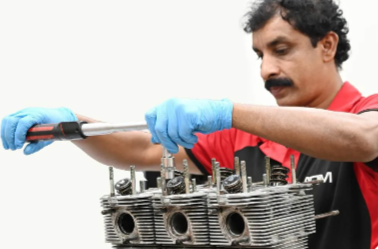
A road accident can leave a vehicle with visible damage, hidden structural concerns, and uncertainty about the correct repair process. Even when a car appears driveable, impact can affect panels, alignment points, paintwork, brackets, lighting, and related mechanical areas. Professional Vehicle Accident Repair Epping services focus on restoring the vehicle carefully by assessing both cosmetic and functional damage before repairs begin.
Why Accident Repair Requires Careful Assessment
The first stage of any accident repair should be a detailed inspection. Visible damage such as dents, cracked bumpers, broken trims, and scratched paint may only show part of the problem. Behind the outer panels, there may be distorted mounts, weakened supports, or alignment changes that are not immediately obvious.
A proper assessment helps identify the full extent of the damage. This ensures that the repair plan is based on the actual condition of the vehicle rather than surface appearance alone. Without this step, repairs may be incomplete, and future issues may develop later.
Common Types of Accident Damage
Accident damage varies depending on the type and direction of impact. Rear end collisions often affect bumpers, boot panels, lights, and rear alignment. Front impacts can damage bonnets, wings, grilles, radiators, headlights, and structural supports. Side impacts may affect doors, sills, mirrors, and quarter panels.
Low speed parking incidents can also cause scuffs, dents, cracked paint, and panel movement. Although these may seem minor, they still require proper inspection because small impacts can create hidden stress in surrounding sections.
Structural Alignment and Vehicle Safety
Structural alignment is one of the most important parts of accident repair. A vehicle is designed so that panels, frames, and safety structures work together. When impact changes alignment, the vehicle may not respond as intended during future driving.
Correcting structural movement requires proper measuring and adjustment. Accurate alignment helps ensure that panels fit correctly, steering remains stable, and the vehicle continues to perform safely. This stage should never be overlooked simply because the outside damage appears limited.
Panel Repair and Replacement
Once the structure has been inspected, attention turns to damaged panels. Some panels can be repaired through reshaping, smoothing, and refinishing. Others may need replacement if the damage is too severe or if repair would compromise strength or appearance.
Panel fitment is critical. Doors should close correctly, bumpers should sit evenly, and gaps between panels should remain consistent. Poor panel alignment can affect both the appearance and function of the vehicle, making repair quality easy to judge.
Paintwork Restoration After Damage
Paintwork repair is often required after accident damage. Scratches, chips, cracked paint, and exposed surfaces need attention to prevent deterioration. Before refinishing begins, the damaged area must be cleaned, sanded, smoothed, and prepared correctly.
Colour matching is also important. Existing vehicle paint can fade slightly over time due to sunlight and weather exposure. Professional refinishing aims to blend new paint with surrounding panels so the repaired area appears consistent with the rest of the vehicle.
Hidden Damage and Why It Matters
One of the biggest risks after an accident is hidden damage. Bumper covers, trims, and panels may hide broken clips, bent brackets, or affected mounting points. These issues may not be visible during a quick look, but they can influence how parts fit and perform.
Hidden damage can also affect roadworthiness. A light that appears slightly out of position, a bumper that feels loose, or a door that does not close properly may indicate deeper repair needs. Careful inspection helps prevent such problems from being missed.
Mechanical Checks After Impact
Although accident repair is often associated with bodywork, mechanical checks may also be necessary. Impacts can affect suspension, steering geometry, wheels, tyres, brakes, and cooling components. If a vehicle pulls to one side, vibrates, leaks fluid, or produces unusual noises after an accident, further checks are important.
A complete repair approach considers both body and mechanical condition. Restoring appearance alone is not enough if the vehicle does not drive correctly.
Surface Preparation Before Refinishing
Surface preparation directly affects the quality and durability of the final finish. Damaged areas must be cleaned of contaminants, old coatings, loose material, and uneven surfaces. Sanding and priming create a stable base for paint application.
If preparation is rushed, the repair may show imperfections later. Paint may appear uneven, adhesion may weaken, or surface texture may differ from surrounding panels. Strong preparation supports a cleaner and longer lasting result.
Controlled Repair Conditions
Professional accident repair often takes place in controlled workshop conditions. Consistent lighting helps technicians identify defects that might otherwise be missed. Suitable temperature and airflow support paint application and curing.
These details matter because body repair requires accuracy throughout each stage. Controlled conditions help produce more reliable results than unsuitable environments where dust, moisture, or poor lighting can affect the finish.
Insurance Related Considerations
Some accident repairs involve insurance processes. This may require damage reports, estimates, photographs, and repair authorisation. Clear documentation helps ensure the repair work is understood and properly recorded.
Even where insurance is involved, the main objective remains the same: restoring the vehicle to a safe and presentable condition. Proper repair planning supports smoother communication and better outcomes.
Protecting Long Term Vehicle Value
Accident damage can reduce vehicle value, especially if repairs are poor or incomplete. Buyers often notice uneven paint, inconsistent panel gaps, and visible repair marks. A carefully repaired vehicle gives a stronger impression and helps preserve resale confidence.
Maintaining value depends on more than making damage disappear. Repairs should restore the structure, appearance, and function of the vehicle in a balanced way.
Preventing Further Deterioration
Leaving accident damage untreated can lead to additional problems. Broken paint surfaces may allow moisture to reach metal beneath, increasing the risk of corrosion. Loose panels may worsen with road vibration. Misalignment may create uneven tyre wear or handling concerns.
Timely repair helps prevent these issues and supports safer, more dependable driving.
Choosing the Right Repair Approach
Every accident is different, so repair decisions should be based on inspection rather than assumptions. Some vehicles need minor cosmetic work, while others require structural correction, panel replacement, paint refinishing, and mechanical checks.
A sensible repair approach avoids unnecessary work while ensuring important issues are not ignored. This balance helps achieve a better result for both safety and appearance.
Documenting Repair Needs
Good repair planning also depends on clear documentation. Photographs, written notes, and itemised damage details help create a logical record of the work required. This is useful when repairs involve several damaged areas, because it keeps the process organised from assessment through completion.
Documentation can also help separate visible cosmetic issues from structural or mechanical concerns. By recording each area properly, technicians can plan the correct order of work and reduce the chance of missed details. A clear repair plan supports efficiency while maintaining standards.
Final Checks Before Return
Before any repaired vehicle is considered complete, final checks are important. These may include reviewing panel gaps, paint finish, light position, trim fitment, and basic driving related concerns. If mechanical areas were affected, related checks may also be carried out.
Final inspection helps confirm that repairs are not only visually acceptable but also consistent across the vehicle. This last stage gives reassurance that the vehicle has been restored with care and that the completed work supports safe, practical everyday use. Careful review also helps identify small finishing issues before the vehicle leaves the repair environment.
Conclusion
Vehicle accident repair requires careful assessment, skilled workmanship, correct preparation, and detailed finishing. From hidden damage checks to structural alignment and paint restoration, each stage contributes to the final outcome. Professional Vehicle Accident Repair Epping services help restore vehicles after impact by addressing appearance, safety, function, and long term condition through a complete and methodical repair process while supporting dependable ownership after the incident.