
In petrochemical markets, supply chain resilience has become a financial imperative rather than a talking point. For procurement managers sourcing industrial commodities such as caustic soda, urea, and glycols, the first strategic decision, often made before price is even discussed, is whether to buy through a trading intermediary or partner directly with a primary producer. That choice shapes everything downstream: cost structure, quality consistency, and how quickly problems get solved when they inevitably arise.
The Hidden Cost of Trading Intermediaries
Trading companies offer real conveniences, smaller minimum order quantities, single points of contact, and flexibility across product lines. But convenience comes with structural risk. Traders operate on markup, so buyers pay a premium layered on top of the same underlying chemical.
The bigger exposure is operational, not financial. Traders frequently source the same product from multiple factories, batch to batch, depending on whichever supplier offers the best margin at the time. For the buyer, this shows up as inconsistent purity, shifting technical specifications, and delivery timelines that can derail production schedules with little warning. And when a quality issue surfaces, the intermediary layer slows everything down: traders don’t control the production line, so resolving a compliance question means routing it back through a third party that has no direct authority over the plant. In wholesale petrochemical sourcing, that delay is rarely just an inconvenience; it’s a liability.
What Changes With a Direct Manufacturer
Sourcing from a primary chemical producer turns a transactional purchase into an operational partnership. Eliminating the intermediary removes the markup, but the more consequential benefit is consistency: standardized, monitored production lines mean every shipment is held to the same specification, batch after batch. Feedback on packaging, purity, or scheduling goes directly to the people running the plant, not through a broker relaying secondhand instructions. Established manufacturers with sufficient scale can also absorb regional volatility, maintaining volume commitments even when smaller suppliers are forced to ration output.
Why Multi-Factory Infrastructure Matters
Even direct manufacturers carry risk if production is concentrated in a single facility, a localized disruption becomes a supply chain disruption. This is where manufacturing scale becomes a genuine differentiator rather than a marketing claim.
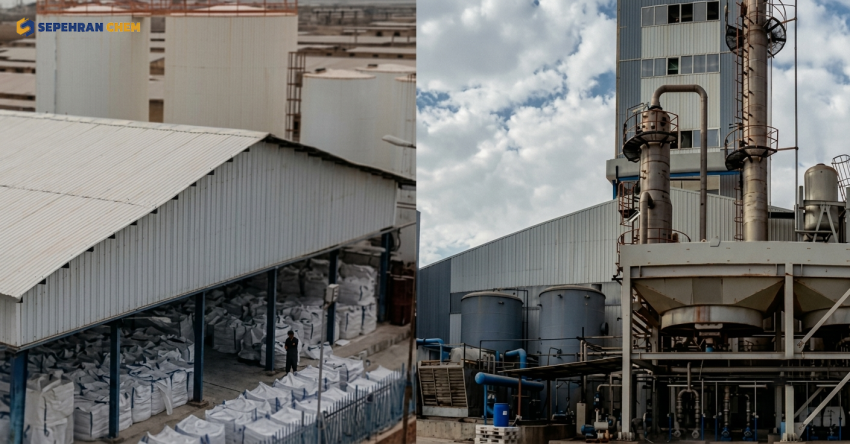
Sepehran Chemistry illustrates the model. Rather than brokering third-party product, Sepehran operates as a primary producer across a network of specialized manufacturing facilities, Pars Soda, Barno Petro Caspian, Sepehr Petro Caspian, and Sepehr Petro Tarh Pars, each contributing dedicated production capacity for the group’s core industrial chemical lines. That structure gives buyers something a trading relationship generally can’t: verifiable, factory-direct chemical supply, produced to consistent standards including ISO and BIS certification, with traceability from Certificate of Analysis through to final port delivery.
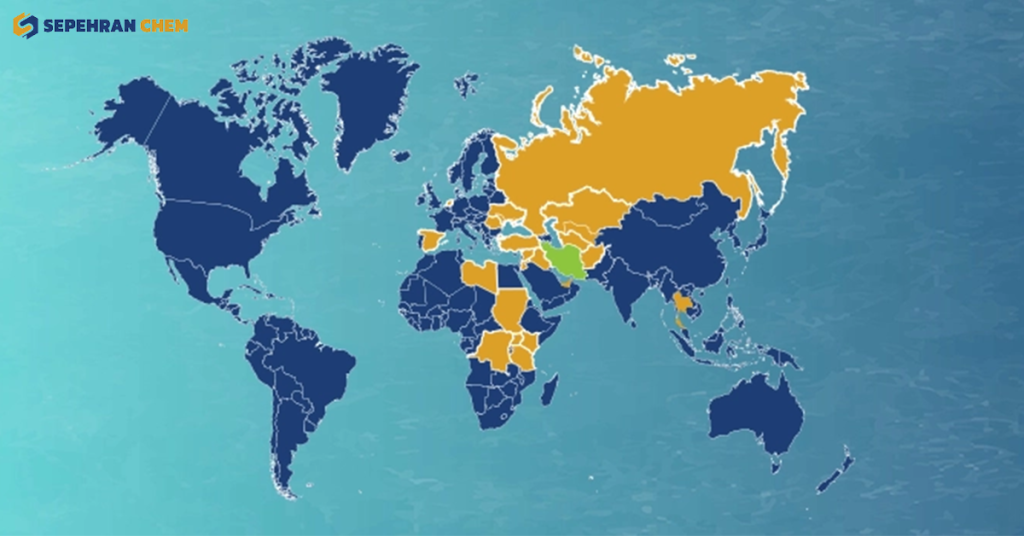
For international buyers, that traceability is the real value of working with a direct chemical manufacturer versus a trader, not just a better price, but a supply chain where quality control can actually be audited back to the source. Buyers exploring wholesale chemicals from Iran increasingly weigh this distinction as heavily as price itself.
Building a Resilient Procurement Strategy
As supply chain transparency comes under closer scrutiny across industries, the case for reducing intermediary layers keeps getting stronger. For high-volume petrochemical procurement, partnering directly with an established, multi-factory producer remains the clearest way to protect margins and secure operational stability, buyers get what they specified, at the quality they specified, on the timeline they need.