
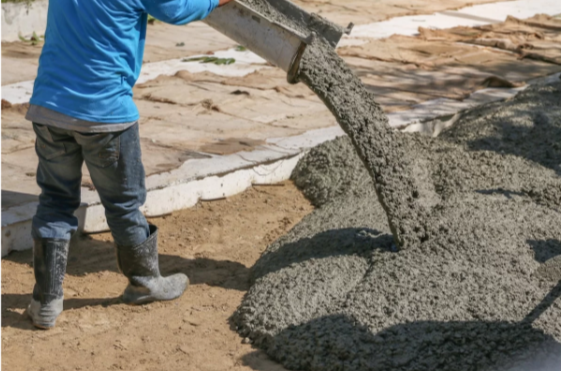
The water-cement ratio simply measures how much water you mix with cement by weight. It’s the biggest factor in whether concrete turns out strong or weak. Less water means stronger, tougher concrete, but it’s harder to pour. More water makes it easier to work with, but creates weak spots. The best concrete mix ratio usually sits between 0.4 and 0.5 for buildings and structures. Too much water leaves holes that weaken everything. Too little stops the cement from hardening properly. Modern additives called plasticisers let you have easy-to-pour concrete that still ends up super strong.
Mixing concrete looks easy: dump in some cement, add water, throw in sand and rocks. But here’s the thing: how much water goes in completely changes whether that concrete lasts fifty years or starts falling apart in five. The water-cement ratio is simply the weight of water divided by the weight of cement. Nail the best concrete mix ratio and you get rock-solid concrete. Mess it up and you’re left with weak, crumbly stuff full of tiny holes. Too much water turns it into a soup that dries weakly. Not enough, and it won’t even mix properly. Getting this balance right is what separates pros from amateurs.
What is the Water-Cement Ratio?
It’s only a simple number showing how much water you’re using compared to cement. Take the weight of your water and divide it by the weight of your cement. So 50 pounds of water with 100 pounds of cement gives you 0.5. That’s it. But this one little number controls pretty much everything about how your concrete performs.
Why Everyone Cares About This Number
This ratio controls three things that matter:
- How strong it gets: Can it hold up a building, or does it crack under pressure?
- How long will it last: Will it survive decades of weather or start crumbling soon?
- How easy it is to work with: Can you actually pour it, or is it too stiff?
Different jobs need different priorities. A driveway doesn’t need the same strength as a bridge.
How Cement Actually Hardens
Cement doesn’t only dry, it goes through a chemical reaction when water hits it.
The Chemistry Part
When water touches cement powder, they react and create new crystals called calcium silicate hydrate. Take these crystals as tiny interlocking puzzle pieces that glue everything together. This reaction keeps going for weeks, which is why concrete gets stronger over time.
What Water Actually Does
Water has two jobs here. First, it’s part of the chemical reaction that makes cement hard. Second, it makes everything fluid enough to pour and shape. Roughly a quarter of the water becomes part of the hardened concrete. The rest is only there to make the mix workable.
Where Problems Start
Any water beyond what’s needed for hydration and workability becomes a problem. When it evaporates, it leaves tiny holes and tunnels throughout the concrete. Those holes are weak spots that let moisture in and reduce strength.
Why Less Water Means Stronger Concrete
The less water you use, the tighter the mix packs together, resulting in much stronger concrete. This is pretty straightforward: drop the water, boost the strength. Lower ratios produce denser concrete with higher compressive strength. Higher ratios create weaker concrete with more voids.
What Different Ratios Get You
Here’s the general performance range:
- 0.35 to 0.40: High-strength concrete for heavy structural applications
- 0.4 to 0.45: Premium structural grade concrete
- 0.45 to 0.55: Standard structural concrete for buildings
- 0.55 to 0.65: Lower-strength concrete for non-critical applications
How Engineers Pick Ratios
Structural engineers consider both what the concrete must support and where it will be used. A bridge deck carrying heavy trucks needs way more strength than a backyard patio. They calculate loads, add safety margins, and specify the ratio that delivers the performance needed.
Why It Matters for Long-Term Durability
How long concrete lasts depends a lot on keeping water and chemicals from getting inside.
Keeping Bad Stuff Out
Concrete with less water is way denser, which means there are fewer tiny pathways for moisture and chemicals to sneak through. This is huge for protecting the steel rebar inside from rusting.
Fighting Off Different Threats
Low-ratio concrete handles tough conditions better:
- Freezing winters: Less water inside means less expansion damage when it freezes
- Salty environments: Tighter structure blocks salt from reaching the steel reinforcement
- Chemical exposure: Acids and harsh chemicals can’t penetrate as easily
- Natural weathering: Rain and humidity have a harder time getting in
Lasting Decades Instead of Years
Concrete made right can last generations. Parking garages in snowy areas, docks in saltwater, treatment plants full of chemicals, they all need that tight, low-porosity structure that comes from getting the water-cement ratio right.
The Workability Problem (And How to Fix It)
Fresh concrete needs to flow into moulds and around rebar, but less water makes that harder. Workability is about whether you can actually pour the stuff and get it where it needs to go. It should flow into corners, cover rebar evenly, and finish to a smooth surface. Do all that without the mix separating or too much water rising to the top.
The Old Catch-22
For years, concrete crews faced a simple dilemma: add more water for easier pouring, or keep it low for strength and struggle with a stiff mix. Many chose convenience, adding water on-site to make the job easier, at the cost of long-term strength.
The Game-Changer: Chemical Additives
Water reducers and superplasticisers changed everything. These chemicals make cement particles slide past each other more easily without adding water. You get concrete that pours like it has lots of water, but hardens like it doesn’t.
Different Types for Different Needs
Various jobs need different helpers:
- Regular water reducers: Reduce water content while maintaining workability
- Superplasticisers: Provide significant water reduction for complex pours
- Viscosity modifiers: Prevent segregation in highly fluid mixes
- Air entrainers: Improve freeze-thaw resistance and workability
Getting It Right in the Real World
Theory is one thing, but real job sites bring variables that textbooks don’t mention.
Where Things Go Wrong
Common things that mess up concrete:
- Adding water at the site: Makes life easier today, creates failures tomorrow
- Forgetting sand and gravel are wet: That moisture counts as water in your mix
- Hot or cold weather: Temperature throws everything off
- Eyeballing measurements: Guessing amounts gives you unpredictable results
Different Jobs, Different Priorities
Not all concrete does the same job. Decorative floors need smooth finishes and good colour. Giant dams are needed to control the heat that builds up. Highway pavement needs to handle constant pounding without wearing down. The best concrete mix ratio changes depending on what you’re building.
Sand and Gravel Matter Too
The rocks and sand aren’t only filler, taking up space. Sharp, angular stones create more friction than smooth, rounded ones, so they need more water to flow. How well different sizes mix affects how much cement paste you need to fill the gaps.
Tech That Helps
Modern tools make precision way easier:
- Computerised batching: No more human measurement errors
- Moisture sensors: Know exactly how wet your sand is
- Flow meters: Measure how concrete actually moves
- Strength monitors: Track hardening in real-time
Dealing With Weather
- Summer heat dries things out faster and makes concrete set quicker.
- Winter cold slows everything down and might need heated water or special chemicals.
- Wind and dry air suck moisture right out of fresh concrete.
How to Measure and Control It
Getting the ratio right means measuring carefully and accounting for all the water sources.
The Simple Math
Water-Cement Ratio = Total Water Weight ÷ Cement Weight
So 40 pounds of water with 100 pounds of cement equals 0.4. Always use weight, not volume, because volume changes with temperature.
The Sneaky Water Problem
Sand and gravel hold moisture that people often forget about. Wet aggregates can contain significant water content by weight. That water is part of your total, so you need to use less added water. Missing this is a common mistake people make.
Checking on the Job Site
Slump tests are the old, reliable way to check consistency. Fill a metal cone with on site concrete mix, pull it off, and measure how much the concrete slumps down. It doesn’t directly tell you the ratio, but if you know your mix design, a consistent slump means you’re hitting your target.
Writing Everything Down
Pros keep detailed records of every batch where materials came from, how much of everything, what the temperature was, which additives got used, and all test results. When something goes wrong, these records help figure out why.
Takeaway
The water-cement ratio is hands-down the most important thing about concrete. Use less water and you get stronger, longer-lasting concrete with fewer holes and weak spots. Use more, and it’s easier to work with, but it ends up weak and porous. Finding the best concrete mix ratio means balancing how strong you need it against how easy it needs to be to pour. Chemical additives have pretty much solved the old problem of choosing between strength and workability. Now you can have both. Measure carefully, control your water sources, and understand this basic relationship, and your concrete will do exactly what it’s supposed to for decades.
Getting the water-cement ratio right takes experience, precise tools, and quality materials. That is why many contractors rely on custom mixes designed for the specific project, whether it is a foundation, driveway, or structural beam. Using the right mix ensures the concrete performs as expected for decades. Companies like Pro-Mix Concrete bring decades of mix design experience to each batch, helping builders achieve consistent strength, proper workability, and reliable results without costly mistakes.
FAQs
What is the ideal water-cement ratio for strong concrete?
A water-cement ratio between 0.4 and 0.5 is generally ideal for strong, durable concrete, balancing sufficient hydration with minimal porosity.
How does the water-cement ratio affect concrete strength?
Lower water-cement ratios increase concrete strength because less water means fewer voids and denser bonding within the cement paste.
What happens if the water-cement ratio is too high?
Too much water makes concrete more porous, weakens its compressive strength, and increases shrinkage and cracking risks.
What happens if the water-cement ratio is too low?
Too little water prevents full hydration, leading to poor workability, improper setting, and weak bonding between particles.
Why is controlling the water-cement ratio important?
Precise control over the water-cement ratio ensures optimal strength, durability, and workability, which are essential for long-lasting concrete performance.
Can additives help maintain workability at lower water-cement ratios?
Yes, admixtures such as plasticisers or superplasticisers improve workability without adding more water, making low-ratio mixes easier to handle.