
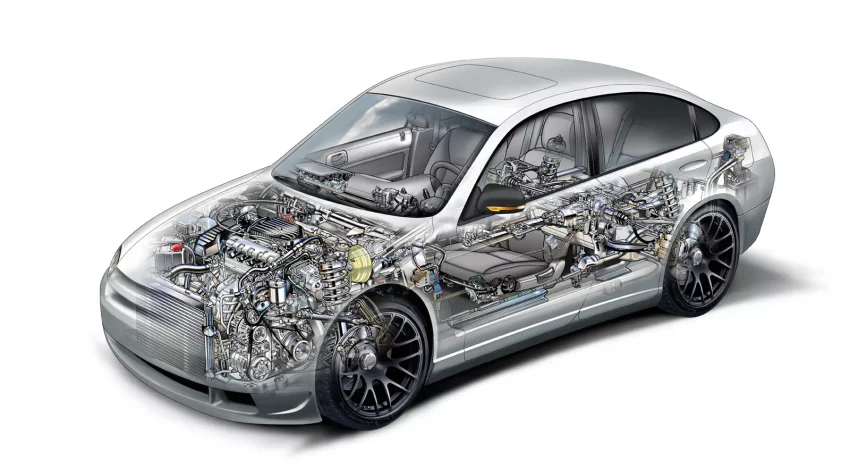
Being an excellent driver requires an understanding of how engines work. Even if you don’t want to work as a mechanic, understanding the basics will help you take better care of your car, spot issues early, and handle repair shops more expertly. In essence, it’s similar to browsing an online real estate directory website: everything becomes much clearer and easier to browse once you grasp its layout.
What The Engine Really Does?
By mixing gasoline and air, setting it on fire, and then using the energy generated to move the engine, pistons, and other parts forward, an engine uses internal combustion to transform fuel into motion. It is simpler to understand the significance of airflow, fuel quality, and regular maintenance when one is aware of this basic cycle. It’s similar to browsing a home service professionals site, where each area offers a different perspective on how their system operates behind the scenes.
Key Components You Need To Know
A typical engine is made up of numerous essential components that cooperate together. Pistons inside its cylinders move up and down, producing power for combustion within each cylinder; combustion proceeds within, with this movement converted to rotational energy by the crankshaft controlled by a camshaft; spark plugs light the mixture of fuel and air while cooling systems protect it all, while the engine block holds all together securely.
Each of these components is essential to engine maintenance. Knowing these parts provides you the confidence to identify possible problems early and maintain the best possible condition for your vehicle since if one starts to break, it might have disastrous effects on the entire system.
Fuel, Airflow, And Ignition: The Three Essentials
Fuel injection, spark plug ignition, and the air intake system are all crucial parts of an engine. When your car’s fuel injectors are activated, the fuel is delivered to the combustion chamber, where it mixes with air from the intake system before spark plugs ignite it to produce power in a controlled explosion. A failing part may be indicated by rough idling, slow acceleration, increased fuel consumption, or even complete stop.
You will be able to confidently and quickly handle common issues by employing this logical approach. Knowing these fundamentals is extremely useful when utilizing LawyerLocator to locate and get in touch with a qualified attorney.
Why Engine Maintenance Matters?
Regular maintenance may keep engines healthy and prevent issues. Regularly changing the oil, spark plugs, and air filters improves engine performance. Ignoring these chores could cause the engine to overheat, perform worse, or cause irreparable damage. No one wants their engine to overheat, perform less efficiently, or possibly fail entirely, so don’t ignore these small tasks.
Frequent inspections also allow you to find weak connections, worn belts, and leaks before they become serious problems. Restaurants listed on the best restaurant directory Australia strive to maintain high quality in order to remain competitive; similarly, engines need regular care in order to perform at their optimal performance levels.
Common Signs Your Engine Needs Attention
The capacity to recognize early warning signs is necessary to prevent expensive mishaps. Watch for strange movements, smoke, dashboard warning lights, strange sounds, or a drop in power output. All of them might indicate an engine problem that requires immediate attention to maintain its condition and ensure a comfortable ride.
Learning Car Engines Makes You A Better Driver
Gaining knowledge about the basics of automobile engines will improve your driving skills. In addition to enabling you to fix problems fast and simply, understanding their internal mechanisms can also make you a safer driver in general. Smooth acceleration, moderate stopping force, and regular maintenance are all ways that your engine’s health can be maintained; becoming aware of these effort makes you more careful behind the wheel.